Foster socio-emotional life skills in young people
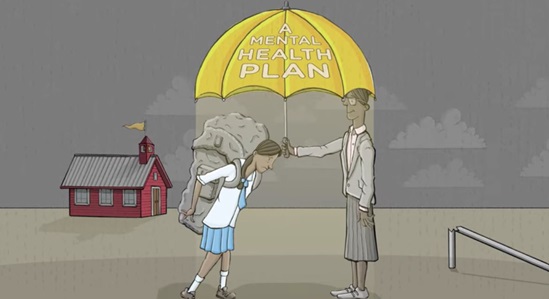
While adolescence is a critical period for acquiring socio-emotional skills, it is also a period of risk for the onset of mental health conditions. Fostering socio-emotional life skills in adolescents is a key focus of the WHO-UNICEF Helping Adolescents Thrive (HAT) Initiative and accompanying HAT guidelines.
The implementation of school-based socio-emotional learning programmes to improve mental health and prevent suicide has been included in WHO’s Menu of cost-effective interventions for mental health. A mental health topic brief on How school systems can improve health and well-being was developed by WHO in collaboration with UNICEF and UNESCO to strengthen mental health interventions with a whole-school and systems approach. The WHO Regional Office of the Americas has produced a handbook, Promoting Wellbeing and Mental Health in Schools, primarily for educators to help them learn about mental health problems and support implementation of mental health literacy into daily school life.
WHO and UNICEF created the first Magnificent Mei and Friends – Comic 1 in a series of Magnificent Mei and Friends comics and an accompanying Teacher’s Guide to support social and emotional learning among adolescents, aged 10–14 years. WHO and UNICEF have also published the Early Adolescent Skills for Emotions (EASE) intervention manual and accompanying training manual to support adolescents and their caregivers with skills to reduce distress. EASE is an evidence-based group psychological intervention to help 10–15-year-olds affected by internalizing problems (e.g. stress and symptoms of anxiety, depression) in communities exposed to adversity.
WHO recognizes the importance of parenting in ensuring the physical, psychological, emotional, and financial wellbeing of children and young people. A handbook for decision-makers and implementers has been developed to support Designing, implementing, evaluating and scaling up parenting interventions and is a companion to the WHO Guidelines on parenting interventions to prevent maltreatment and enhance parent-child relationships with children aged 0-17 years.
In partnership with WHO, Save the Children and the MHPSS Collaborative, UNICEF developed I Support My Friends which is a training for children and adolescents on how to support a friend in distress under the mentorship and guidance of trusted adults.
News
/countries/bangladesh/mental-health_chapai_who_ban_3521_under_3mbbd0cca5d-d81f-49e1-bbca-cc3a9e51d6fd.jpg?sfvrsn=8fe5d0c5_3 "Grade 10 students and teacher at Haripur Girls High School in Chapainawabganj")
Publications
Early Adolescent Skills for Emotions (EASE)
Early Adolescent Skills for Emotions (EASE) is an evidence-based group psychological intervention to help 10–15-year-olds affected by internalizing...
Guidelines on mental health promotive and preventive interventions for adolescents
The Guidelines on promotive and preventive mental health interventions for adolescents - Helping Adolescents thrive (HAT), provide evidence-informed recommendations...
Helping Adolescents Thrive Toolkit
This publication, produced by the World Health Organization and UNICEF, has been developed to support the implementation of the WHO Guidelines...
IntroductionIn 2019, the Seventy-second World Health Assembly requested the WHO Director-General to prepare a menu of policy options and cost-effective...
Magnificent Mei and Friends: Comic 1
UNICEF and the World Health Organization created the first in a series of Magnificent Mei comics and an accompanying Teacher’s Guide to support...
Teacher's Guide
UNICEF and the World Health Organization created the first in a series of Magnificent Mei comics and an accompanying Teacher’s Guide to support...