More than 20 million people in Ethiopia, including 5.2 million people in Tigray, are in need of aid due to the conflict that started at the end of 2020.
Tigray has been under a de facto blockade for the last two years, with little to no access to cash, fuel, telecommunication, or electricity, limiting humanitarian assistance and the delivery of essential supplies.
The conflict has left many injured and has had a severe impact on families’ lives and livelihoods. The periodic spillover of the conflict into the neighboring regions of Afar and Amhara has significantly increased humanitarian needs in the northern part of the country.
The food security and malnutrition situation has worsened with over 13 million people in need of assistance in Tigray, Amhara and Afar. Disease outbreaks are on the rise, including of malaria, measles, acute respiratory tract infections and other vaccine-preventable diseases while risk of other outbreaks, such as cholera, is high. Over 2.8 million people have been displaced and are living in crowded settings with limited access to food, nutrition, health and water and sanitation infrastructure.
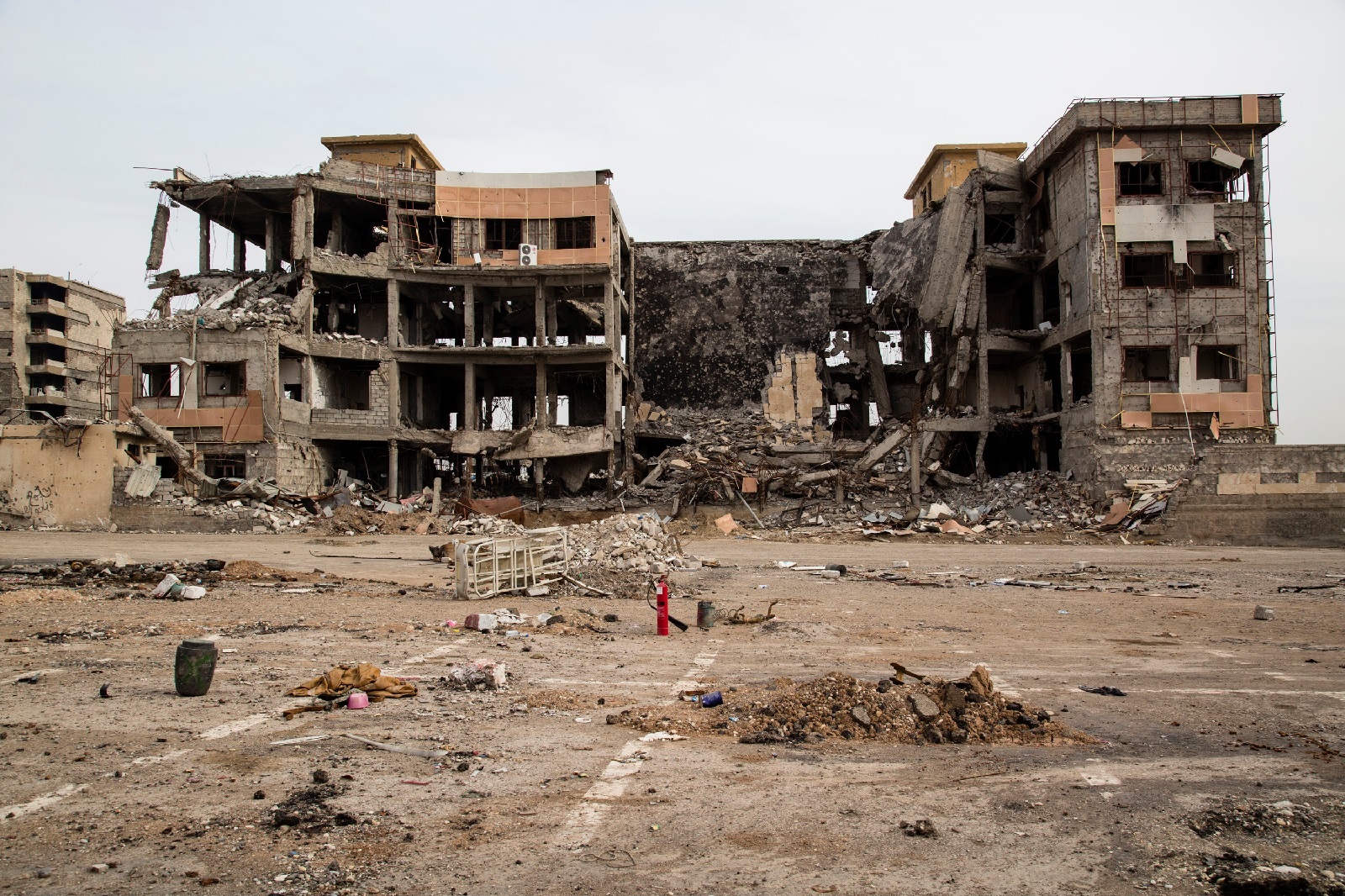
This situation has led to the effective collapse of healthcare capacities in Tigray. With no immunization services running, only one in 10 children at one year of age has protection against vaccine preventable diseases that can kill. The conflict has decimated maternal health services, with high maternal mortality rates across the region. Shortages of medication prevent the adequate follow up of HIV and diabetes cases. The deterioration of effective infection prevention and control capacities in healthcare centres is further increasing risks.
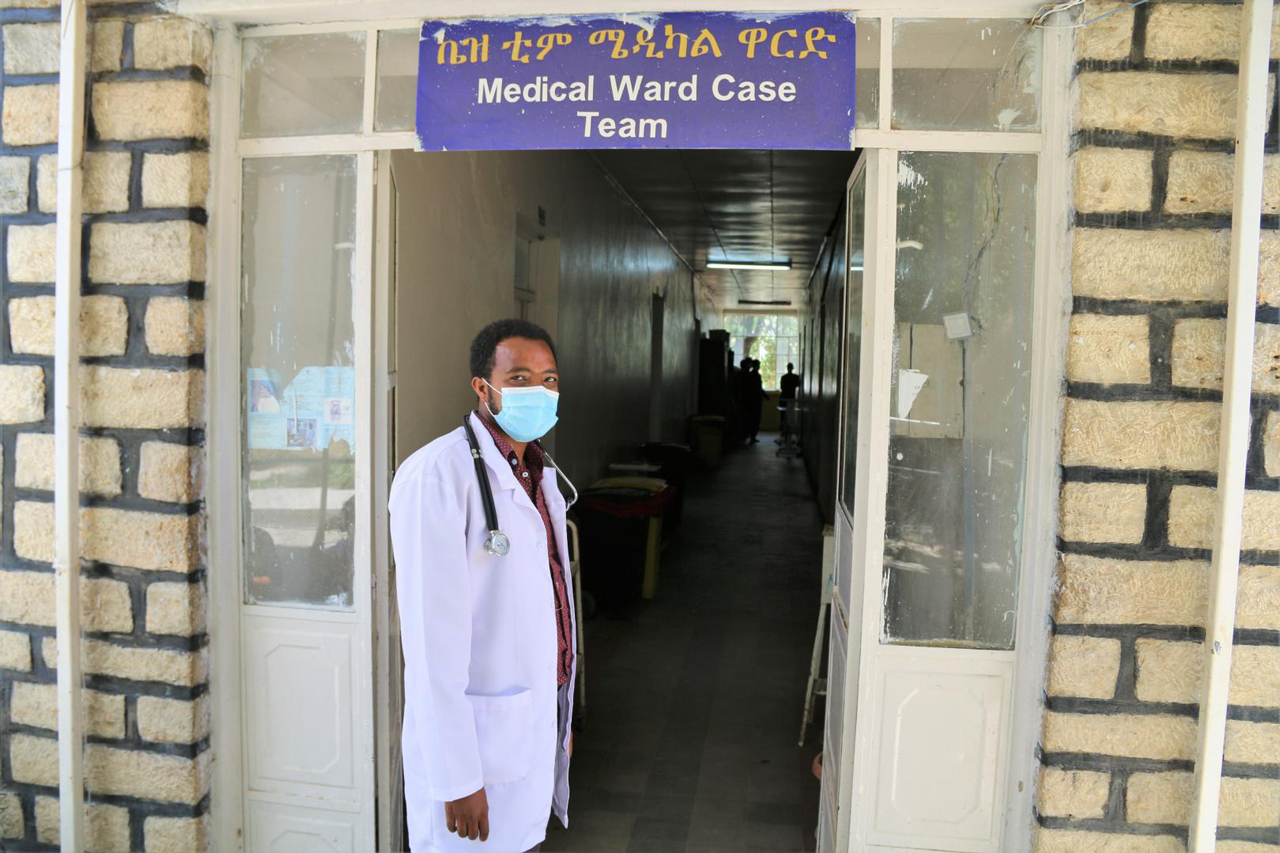
Only 3% of health facilities in Tigray are fully functioning, meaning most are unable to meet the health needs of the people. Health workers are running out of supplies leading to reduced treatment for non-communicable diseases, maternal and child health services, more complications, and more deaths.
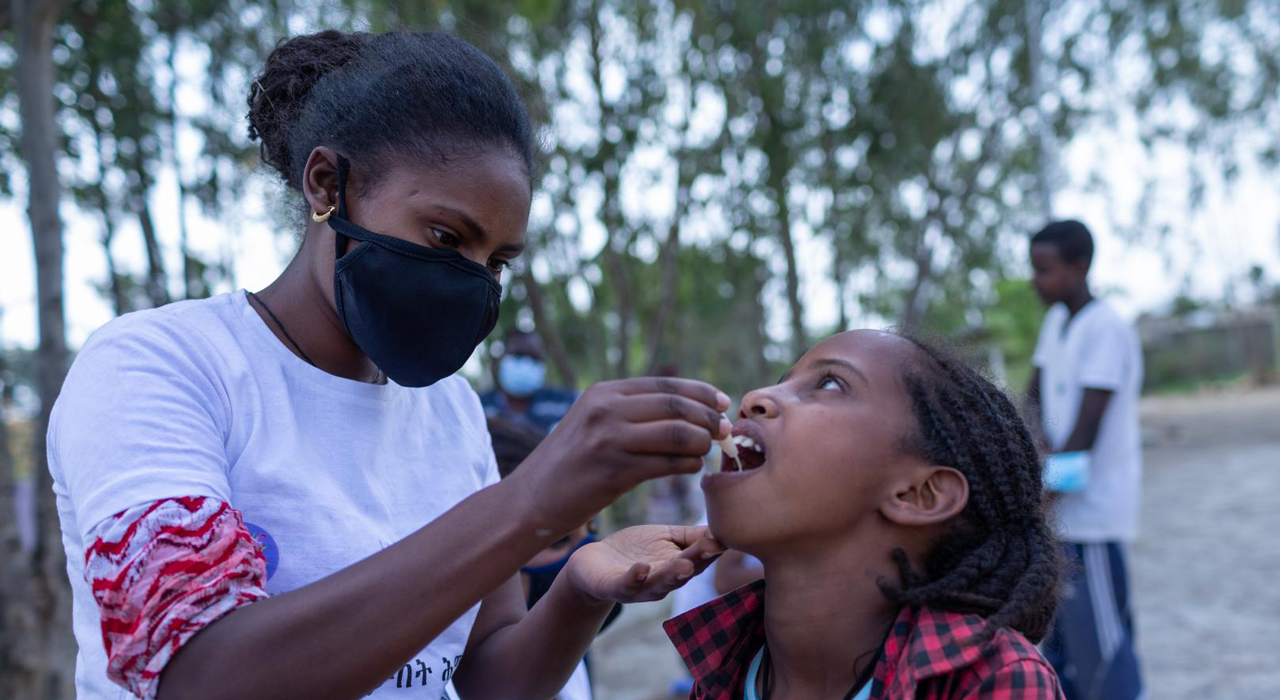
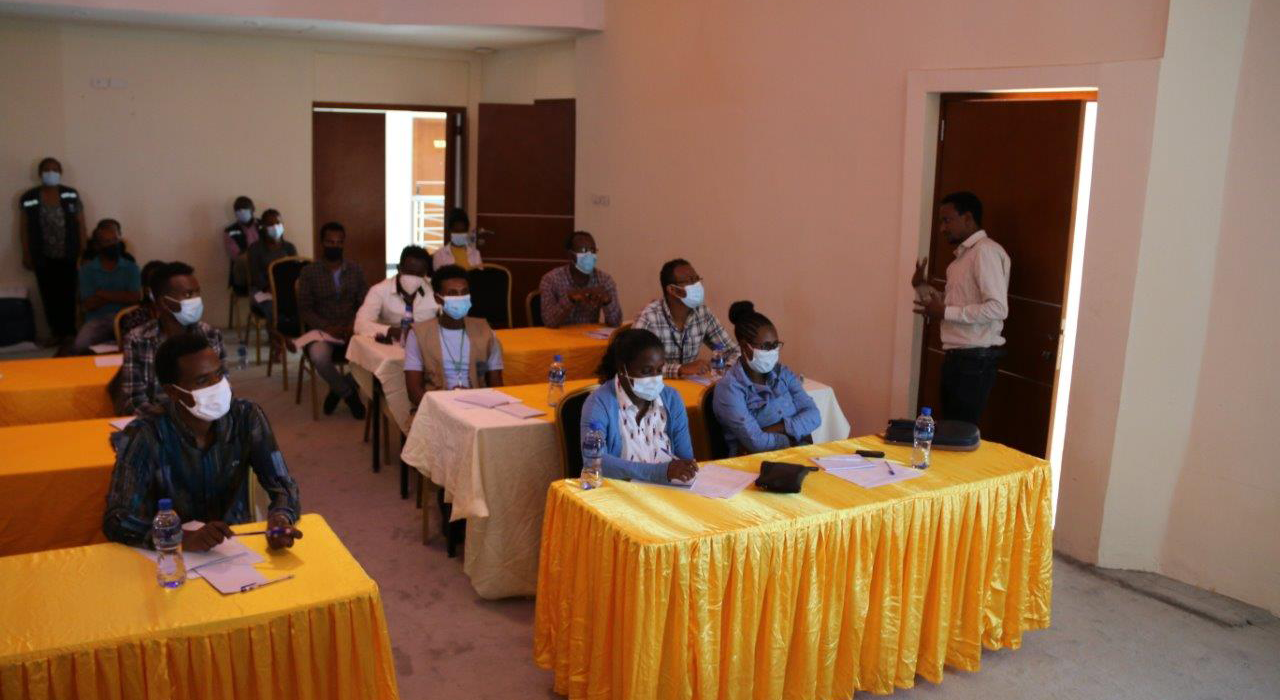
As Global Health Cluster lead, WHO is coordinating with 23 partners in Tigray and neighboring areas providing emergency health support when possible to affected populations and supporting regional healthcare providers maintain essential services, while strengthening capacities regarding prevention, preparedness, and response to disease outbreaks.



.png?sfvrsn=5e8d5426_4 "Syria (2)")