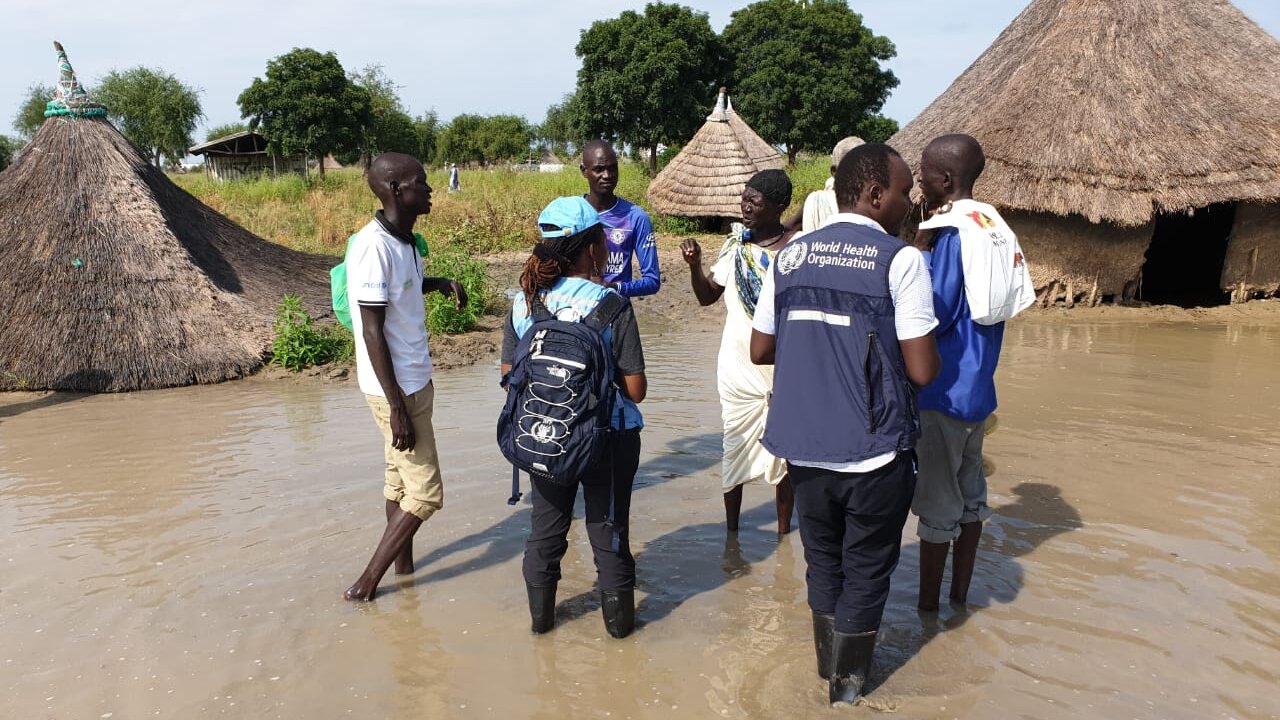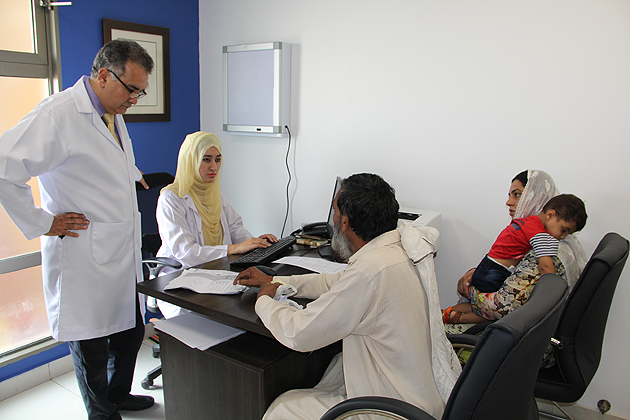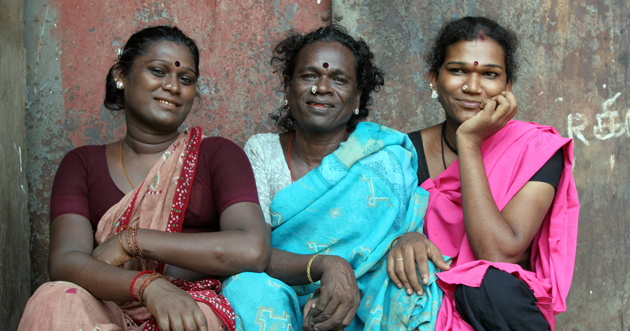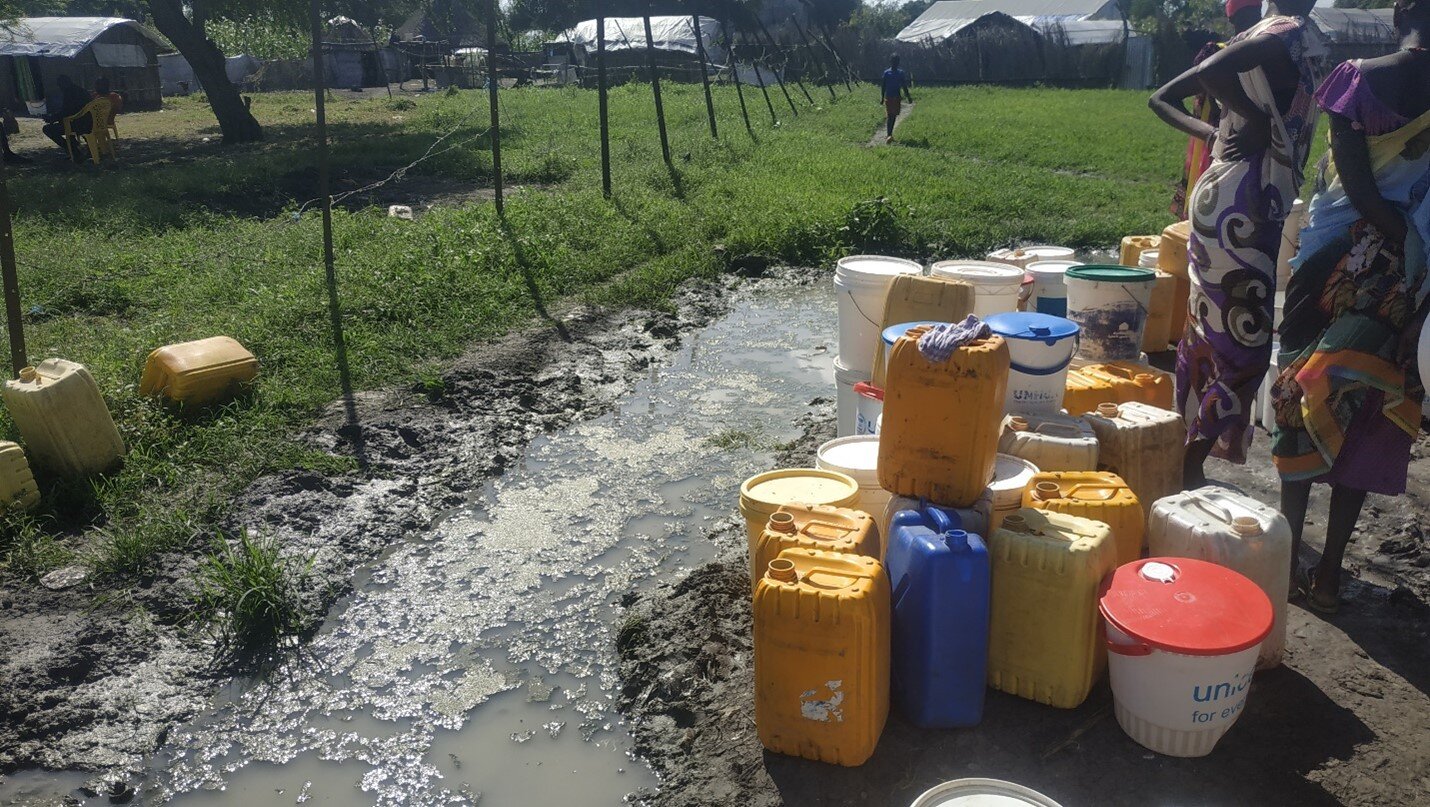
Hepatitis: Let's Break It Down!

Hepatitis: Let's Break It Down!

World Hepatitis Day 2026

Hepatitis: Let’s Break It Down


287 million people
were living with chronic
hepatitis B or C in 2024


Only 45% of babies
received the hepatitis B vaccine
within 24 hours of birth in 2024


1.3 million people
died of chronic
hepatitis B and C in 2024


World Hepatitis Day is observed each year on 28 July to raise awareness of viral hepatitis, an inflammation of the liver that causes severe liver disease and liver cancer.

The World Hepatitis Day 2026 theme, “Hepatitis: Let’s break it down,” is a call to remove the barriers that stand between people and the services that can save their lives. Viral hepatitis continues to be a major cause of preventable illness and death worldwide.

The tools needed to eliminate viral hepatitis already exist. Effective vaccines, accurate diagnostics, curative treatments for hepatitis C, and lifelong therapies for hepatitis B can prevent infections, save lives, and reduce liver cancer and cirrhosis. Despite this, millions of people remain undiagnosed, untreated, or unable to access care due to stigma, limited awareness, health system gaps, and persistent inequalities.

The 2026 campaign calls for turning proven science into action through stronger political commitment, sustained investment, and efforts to expand equitable access to prevention, testing, treatment, and care.


Key messages

1.Leverage existing science and policies

Effective vaccines, accurate diagnostics, curative treatments for hepatitis C, and long-term therapies for hepatitis B are already available and proven. These tools can prevent infection, interrupt transmission, and save millions of lives by reducing liver disease and liver cancer. The priority now is to ensure these interventions are scaled up and equitably delivered to all who need them, which requires strengthened political commitment, investment and accountability.

2. Put people and communities at the center of hepatitis elimination

Lasting progress depends on the leadership and participation of people affected by hepatitis. When communities help shape policies, programmes and services, the response becomes more effective, accountable and responsive to people's needs.

3. Ensure equitable access to hepatitis services for all

Everyone should be able to benefit from WHO-recommended hepatitis prevention, testing, treatment and care services. Expanding access for underserved and vulnerable populations through people-centred, integrated service delivery is essential to reducing inequalities.

4. Integrate hepatitis services into universal health coverage

Hepatitis services should be embedded within primary health care and universal health coverage systems so that prevention, diagnosis, treatment and care are available throughout the life course. A multisectoral, human rights-based approach is essential to addressing barriers to access.

5. Accelerate research and innovation

We have the opportunity to change the trajectory of viral hepatitis. By investing in research, development and innovation for the prevention, detection and treatment of viral hepatitis, particularly hepatitis B and hepatitis D co-infection; expanding equitable access to affordable technologies, and fostering collaboration across sectors, countries can improve outcomes for millions of people.


Calls to action

For the public:

  • Get tested for hepatitis B and C.
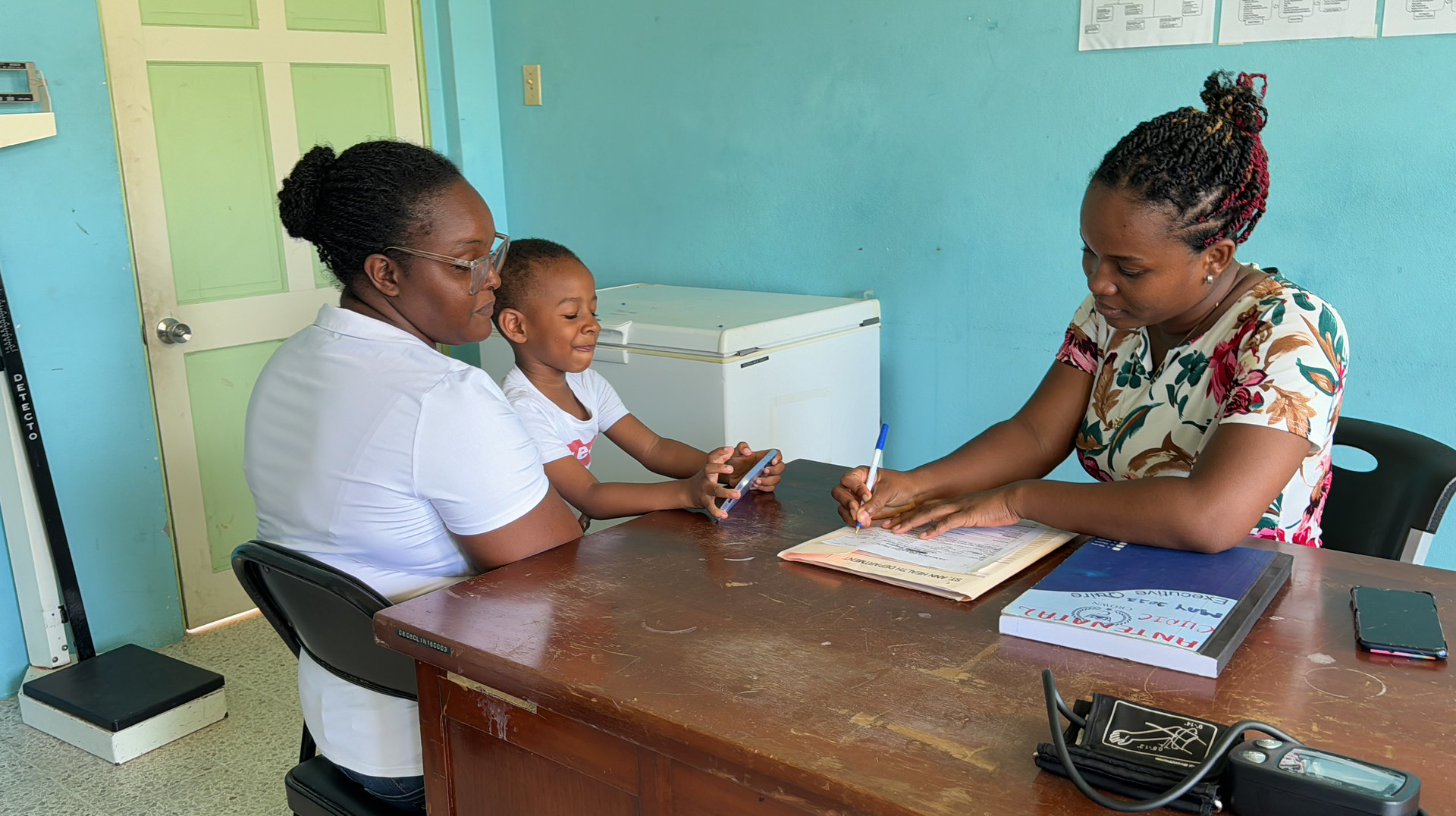
  • Promote routine Hepatitis B testing in Antenatal care setting and antiviral prophylaxis where needed, as part of triple elimination of HIV, hepatitis and syphilis.
  • Vaccinate newborns with universal timely hepatitis B birth dose within 24 hours and ensure completion of childhood vaccination series.
  • Learn the facts and talk to your healthcare provider about early testing and treatment.
  • Help stop stigma by sharing accurate information.

For communities and civil society:

  • Advocate for increased political commitment, financing and accountability for hepatitis elimination.
  • Combat stigma and discrimination and promote awareness, demand for services and community engagement.
  • Strengthen partnerships with governments, health providers and international organizations to ensure people-centred and equitable hepatitis responses.
  • Amplify the voices of people affected by viral hepatitis and support community-led solutions that leave no one behind.

For policy-makers and governments:

  • Lead and fund awareness campaigns on hepatitis elimination.
  • Expand hepatitis B birth-dose vaccination, safe blood/injection practices, and harm reduction.
  • Scale up affordable, decentralized testing and treatment integrated into primary care across health platforms, including HIV, NCDs, cancer control, and maternal and child health.
  • Embed hepatitis services in universal health coverage and national insurance schemes.
  • Engage all stakeholders and invest in strong data systems for accountability.

For national health authorities:

  • Prioritize early diagnosis and treatment, focusing on high burden and underserved communities.
  • Decentralize services to primary and district health centers.
  • Integrate hepatitis prevention into maternal and child health programs.
  • Ensure free or universal access to testing and treatment.
  • Mobilize sustainable funding and use data to drive progress.


Survey

Have your say on WHO campaigns

Help us improve the impact of our public health campaigns by responding to this survey.